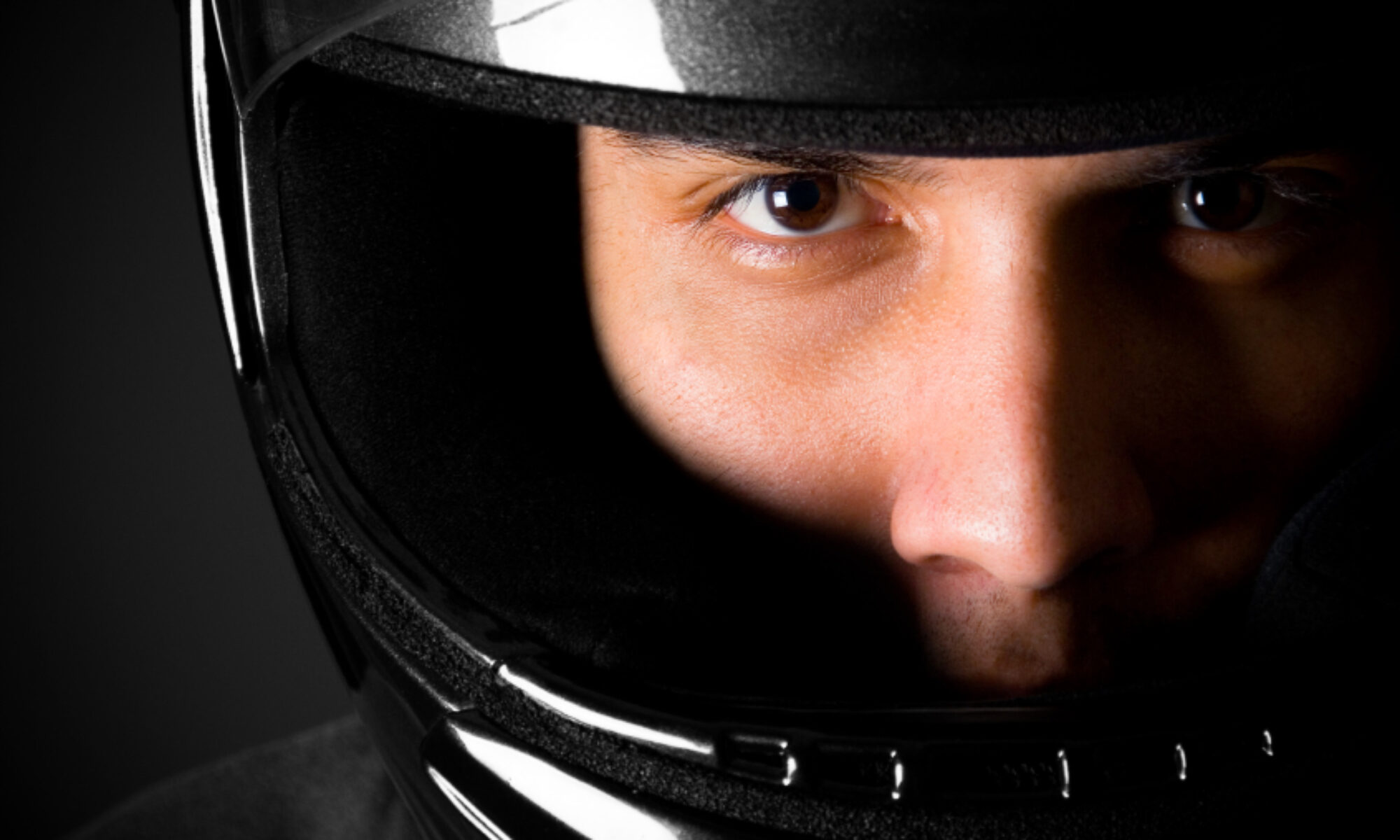
The underlying addressed here — the seasonal degradation of perceptual, cognitive, and motor skills and the way that confidence tends to come back faster than competence — has not changed. If anything, modern riding conditions make the issue sharper rather than softer since modern riding aids can quietly smooth over clumsy motor skill inputs and mask warning signs of rustiness. And motorcycles are increasingly being fitted with the kind of rider-assistance systems that even cover up for lapses of concentration and pour judgement in following distance and awareness of the movements of other vehicles on multilane roads. The machine shouldn’t be covering up for our lapses, and that makes a deliberate, structured re-entry into riding not just sensible, but essential.
Springing into Summer – polishing off ‘rider rust’
Winter’s finally over, the roads are dry and salt free, and the sun is warm on your back. We’ve changed the oil, adjusted the chain, checked the tyre pressures, cleaned the visor and paid for the tax and insurance. It must be time to park the car at last and go for a blast over our favourite rural roads, right?
Wrong. It’s not just time to give the bike a once-over, it’s also time to take it easy, polish up our biking minds and bodies, and rebuild those riding skills!
It’s an easy mistake to think that we can take a ride out on the first nice day in the spring and ride it just like we did on the last fine day in autumn. It doesn’t matter whether we have parked the bike up for three months, or whether we’ve commuted through the winter months. We’re not in the same place physically or mentally as we were. Even if we’ve continued commuting during the bad weather, our brain’s operating on a different planet and looking for different problems. All the skills that became second nature during summer have gone rusty and we’ve forgotten half the problems we’re likely to encounter. One thing I see time and again in the spring, particularly after a trainee has parked the bike and swapped it for a car, is that positioning – both defensive ‘dominant’ positions in traffic and positioning for a better view of hazards has vanished. All these skills need practicing before they become automatic again.
We can all get rusty. Even when I was an all-year courier, I found that my rural road riding skills fell away during the winter months, and one year, due to a change of basic training job the bike remained almost entirely parked up for six months. So back on the bike and taking a nice spring ride out with my buddy Keith, as we headed back to Oxford after a sojourn in South Devon I found myself rather rusty. We’re normally evenly matched, but now I was struggling to keep Keith in sight, and the inevitable happened. Pushing on too hard, trying to up my pace, I made a hideous cock of a corner.
I completely failed to read the bend, thinking it went gently to the left when in fact it led into a sharp and tightening right-hander. Suddenly realising I was too fast and going the wrong way, I mentally warned myself “Don’t brake, Steer”. Then it was “oh bugger” as than I hit the brakes anyway. Of course the bike stood up and headed straight for a five metre drop into the River Exe. I was lucky that there was some run-off into a car parking space to admire the view and I glided to a halt alongside the wall protecting the drop.
So what can we do about this?
Two things. The first is to give our bodies a chance to get in tune. Don’t set off on a 300 mile ‘Winter’s Over’ ride-out, without having done some shorter rides. Remember all those aching muscles and stiff knees when you first started to ride? If you’ve been off the bike for any time, they’ll be right back if you overdo it.
And the second suggestion is to spend just a little time going back to basics. Think about the sort of exercises learned on basic training and maybe on an advanced course. Clutch control, slow starts and stops, Figure 8s, U-turns, emergency braking. We can practice all those in a quiet car park.
Take the bike out initially onto quiet roads and do it alone, not on a group ride. We just need to take our time, keep speeds down a tad, ensure we’re not following close behind other vehicles. Now we can spend some time deliberately hazard-spotting, working on machine control inputs – braking, throttle control, counter-steering – and chosing lines and positions. This way we can ease back into the groove.
Talking to ourselves can help but I wouldn’t suggest a full-Monty police-style commentary on everythign. It require so much mental processing – it’s not a usual activity for the average rider – that the very act of thinking how to vocalise the words to describe one hazard actually distracts us from spotting the next. Keep it short and simple; “lefthand bend, push left, go left”… “tight bend, brake”… “car on the left, move right”. So long as we keep it simple, talking our way through hazards will get us refocused on riding the bike quicker than anything else.
And of course, the same basic principle applies in spades if we’re commuting by car or train. Our biking Spidy Sense is going to be lagging way behind. Slow down, to take time and space to get back in to the rhythm.
And if anything does get a bit scary, slow down! Minor mistakes will cause us to tense up, and then things will only get worse. Drop the speed, take the pressure off, and talk yourself into relaxing. After my near-dip, I slowed down maybe 10% – just 5 or 6 mph on thes fast rural roads. As a result, Keith soon disappeared round the bends ahead but that means I could ride my own ride. No longer chasing, I relaxed and began to enjoy the next ten miles or so. As I relaxed, the speed came back and he wasn’t too far ahead when I reached our next turn-off point.
And of course, why not think about a refresher course? You can book one of these with Survival Skills Rider Training, and we’ll head off to give your riding a service. Even if you have post-test training qualifications, why not get a different perspective by training with another organisation? You’ll not only practice what’s rusty in company with someone to point it out, but you’ll undoubtedly learn a few new wrinkles too.