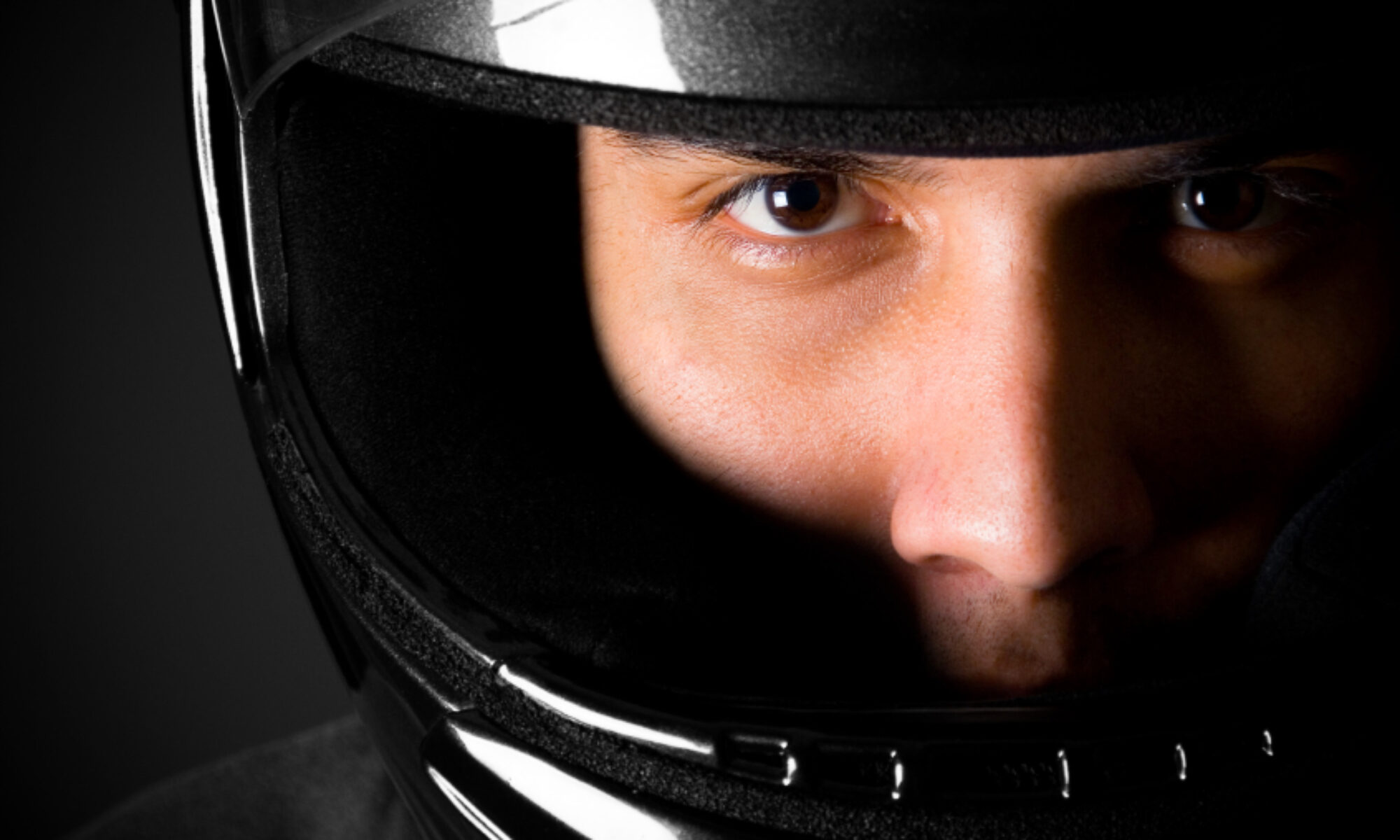
72. Anger Management – dealing with road rage and red mist

This article explains the important distinction between red mist (self-induced risk-taking) and road rage (reaction to others) and the advice to recognise anger, avoid the victim mindset, and give control back to the reasoning part of the brain is entirely consistent with safety psychology. The core principle remains the same: control your response rather than the road, by anticipating situations that might provoke anger and giving our reasoning brain the opportunity to override instinctive reactions and avoid escalation.


Anger Management – dealing with road rage and red mist

From time to time I get asked if I have any solutions to what the issues known as ‘red mist’ and ‘road rage’. Of all the questions I’ve tried to answer, this one is probably the most difficult. Although my background is in science, I’m not a psychologist. Mostly what I’ve written here is what I know works for me on the occasions I feel myself getting a bit carried away with riding or acting aggressively if someone makes me angry. What I do know is the one thing we simply cannot do is let it take control. In particular, anger needs to be recognised for what it is – we are never far away from behaving like a two-year-old throwing a tantrum. We never grow up, we just learn how to behave in public, yet there’s a limit to self-control. If we bottle anger up, it will simply build up until we ‘kick the dog’. Some unsuspecting and innocent party bears the brunt of OUR resentment.

First of all, we need to try to identify the problem. Whilst because ‘red mist’ and ‘road rage’ are both psychological states we might develop whilst riding, they are not the same.

Red mist is a state where we are no longer assessing risk realistically. Perhaps we begin to ride at higher speeds, pull off more overtakes, or corner with bigger lean angles than we would normally. Instead of this increasing our stress levels, as it would normally, we can actually get a ‘buzz’ from this kind of riding when everything seems to be ‘in tune’ and effortless. Maybe we begin to enjoy the thrill, maybe we start to justify our behaviour because we’re out to impress others – perhaps riding in a group, or even on an assessed ride. It’s a state that racers, and even professional drivers such as police or ambulance drivers can get fall into in pursuit of the ‘noble cause’ of responding to an emergency call. It’s something the professionals are warned about, but nobody tells the average rider how to look for the warning signs, we just get castigated when we fall into the trap.

Road Rage is a somewhat different psychological trap, and has been around since Daimler first stuck four wheels round an engine. If you want a classic literary example of a driver with road rage, think of Mr. Toad in “The Wind in the Willows”. Essentially, it’s aggressive behaviour around other road users, particularly when someone does something that irritates us, perhaps by impeding our progress. According to research on what annoys drivers, the main triggers for driver anger are:

  • tailgating
  • being cut up
  • inappropriate overtaking
  • undertaking on motorways

You’ll notice the word inappropriate. It’s nearly always a subjective view, where someone does something someone else doesn’t think they should have. Not too long ago, I was rounding a fairly gentle left-hander positioned around half-a-metre from the centre line when I spotted an oncoming car. I moved inward to the centre of the lane – a completely unhurried manoeuvre that in no way inconvenienced the driver coming the other way. Nevertheless, he found it necessary to swerve aggressively towards me, sound the horn and make rude gestures.

Road rage can be relatively low-level ‘shouty’ behaviour such as unnecessary flashes of headlights or use of the horn, or hand signals that aren’t to be found in the Highway Code so if we find ourselves doing those, it’s important to recognise what’s going on.

The problem is escalation. Hopefully we can shrug it off when others display that kind of behaviour towards us, but if we respond in kind, then the situation can rapidly move into aggressive tailgating, swerving towards other vehicles, or brake-testing the vehicle behind. Bikers have been known to kick cars or knock off mirrors, but it’s worth bearing in mind that the one who will come off worst in any argument of four wheels -vs- two is the rider.

Of course, our own view of what we just did is usually completely different. My position on the bend was – compared with a lot of advanced riders – rather restrained. I always aware that motorcyclists often appear impatient to other road users because of our ability to accelerate and overtake, or by taking up positions which a car driver finds inexplicable. Have a read of this:

“Aggressive drivers are careless drivers who want to get ahead of everyone on the road… [who] put their own convenience before anyone else’s safety. Other drivers may develop road rage, potentially violent anger, in response and retaliation to the violations they feel other drivers commit.”

Anybody here ride a bike because they think it allows them to make ‘better progress’ than “everyone else on the road”? Hmmm. We must never forget that when we share the roads, we are judged by everyone else’s standards of behaviour. What seems perfectly good and sensible riding to us may not appear that way to the driver we just passed or coming the other way. Simply because think we are a ‘better’ rider than they are a driver is not an adequate reason for ignoring what ‘the other fellow’ thinks about our riding.

So who’s right? The biker? Or the driver? If there IS an answer, it’s probably “neither of us”, but what I would say is that a really advanced piece of riding is not one that necessarily gains us ‘advantage’ but one that’s almost imperceptible to other drivers.

What really doesn’t help are smug statements like this next one:

“The truth is that no matter where you go, no matter how safe, careful, and considerate a driver you are, there is going to be someone on the road who is not. They’re going to challenge all the patience you have built up, possibly putting your life at risk… a road rager feels a certain degree of superiority over all other drivers on the road. They feel it is their duty to punish bad drivers and teach them “lessons”… their behaviour is equally selfish, immature, and dangerous.”

It’s positively complacent: “it’s not me that’s the problem, it’s everyone else”. This positively hinder our understanding. The fact is that road rage is not something ‘other people’ suffer from – anyone with a human brain is a potential road rager.

So, how do we keep ourselves under control when provoked? How do we detune ourselves when the buzz starts to get the better of us?

There are plenty of helpful-seeming articles online which usually start by saying something like:

“The best way to keep yourself from flying into an uncontrolled rage on the road is to remain calm and keep perspective. When someone does something you feel is careless or stupid on the road, you have to just let it go.”

Errrrr… but HOW??

I did some reading around the topic and it seems that at the most fundamental level, the issue is at least partly down to how the human brain has developed. The most primitive part of the brain, sometimes called the ‘reptilian brain’ because we share it with crocodiles, is designed for survival rather than reasoned thinking. It’s around 300 million years old and its basic programming is ‘react or die’. The first mammals with more advanced brains only appeared around 100 million years later, and the human brain which gives us our flexible reasoning capabilities is only around 200,000 years old. But even in our human brain, that primitive reptilian brain always on the alert and it cannot distinguish between a real threat demanding instant action and a scary surprise that turns out to be nothing significant when we have had a moment to think about it. Whenever we’re shocked, there’s a conflict as the ancient, hard-wired fight and flight response of our reptilian ancestors is pitted against the flexible reasoning responses of our ‘new’ human brain.

So when we react instinctively and without thinking – and sometimes violently – we’ve let the reptilian brain take control.

Now, if you’ve read any of my other writing on the so-called ‘survival reactions’ – the totally inappropriate reactions that kick in when we suffer SURPRISE! on the road, you may begin to see something of a connection.

Not only do we need to try to defuse our own responses when we feel provoked, but we need to understand how not to provoke road rage in others.

I’ve long stopped looking at the road as a place where everyone should “do the right thing” because I’ve learned the hard way that when a dangerous situation arises because someone does something wrong, that’s guaranteed to make me angry. And no-one using the roads is perfect. Not you and not me, and not even the most highly trained riders. We all make mistakes, and many of the dangerous situations really are the result of a simple error of judgement. There but for the grace of god, etc..

So I’ve learned to try to predict the situations where drivers could put me at risk – the classic SMIDSY near-miss is a good example – and to see it coming before it happens. If we’re expecting something to happen, our reasoning brain deals with the fall-out and won’t give the reptilian brain chance to take over – we’ll simply say to ourselves: “I saw that coming”.

And what if we’re the unlucky rider greeted with an inexplicable display of aggression by another road user, like that driver who didn’t like my cornering line? Maybe we were behaving in a predictable manner. Maybe we’ve just surprised them. Or perhaps we’re on the receiving end of some ‘second-hand anger’ after the previous rider triggered the response we just saw. It doesn’t make the driver’s aggression right, but it does make it a little more understandable. Try not to get riled.

Most importantly we need to get out of the ‘victim mindset’ where we believe that all other drivers on the road are out to get us. They aren’t. Drivers are mostly relatively careful around motorcyclists – it’s just that our reptilian brain is far better at noticing the rare occasions when another road user puts us at risk than our reasoning brain is at spotting the far more common moments that drivers keep well clear of us.

If we do start to slip into red mist or aggression, we need to recognise it for what it is. We MUST acknowledge it. Only then will the reasoning area of the brain re-establish control, and decide what, if anything, we are going to do about it. But don’t ignore red mist or anger. Once we realise we’re not acting like a grown-up, breath deeply, count to ten, think it over and move forward.

And if I had to sum up my advice in one phrase? It would be:

“Start looking for the positive on the roads, tune out the negative.”

11. Improved braking technique for all bikers

Braking technology and motorcycle design have advanced rapidly in recent years and even entry-level motorcycles in the UK almost all come with ABS as standard. Cornering ABS, traction control, and sometimes even slide control are increasingly common. What once required careful skill to avoid wheel lock-ups is now often assisted by anti-lock braking systems, linked brakes, and even cornering ABS, present on machines from 125cc upwards. Nevertheless, no electronic system can replace rider skill and confidence, just as no electronic system should be considered as a get-out-of-jail card. It’s often claimed modern tyres have improved significantly in compound and profile design, but what’s rarely said that the same time is that no tyre is better than the road surface and the article could have placed more emphasis on slippery surfaces such as metal plates, wet leaves and painted lines. The underlying principles below remain just as relevant today, and practising them will ensure that you get the most from your bike’s brakes — regardless of the technology fitted.


When I run my Survival Skills ‘Performance’ courses which seek to improve cornering skills or my ‘Urban’ which aim to equip riders for riding in towns and cities, one of the recurring issues I have to tackle for most riders is confidence with the brakes. When I learned to ride, there was good reason – if you overdid braking, you tended to fall off. Even when I originally wrote this article, both combined braking systems (CBS) and anti-lock braking systems (ABS) were uncommon and restricted to top-of-the-range machines. The vast majority of motorcycles and scooters still used conventional front and rear brakes on different circuits. But in the last few years, the pace of technological development of electronic rider aids has accelerated rapidly, and all new machines from 125 up have some kind of advanced braking system. The bad news is that numerous different systems have evolved. Right now there are linked brakes and ABS on budget machines, with sophisticated proportional linked systems and cornering ABS on the more expensive bikes. It’s impossible to keep track of every development, so whilst the advice below still applies, it’s also important to READ THE MANUAL and find out precisely what your machine is fitted with.

Some years back when I was still a basic trainer, I bought a GS500E as a runabout and spare instructor bike. With just 2000 miles on the clock, it was immaculate and the middle aged owner’s pride and joy. An hour later I was at the local Suzuki dealer purchasing some new rear brake pads. They were down to the metal! Meanwhile, the front had been so little-used you could still see the machining marks in the disc… which only goes to show it’s not only novice riders who often have some misconceptions about the use of the brakes.

As I’m talking about misconceptions, let’s blow away another. “Braking force in the dry should be split 75:25 between front and rear wheel”. Trainers delivering the UK’s Compulsory Basic Training course for new riders (CBT) often quote this ’75:25 rule’ but front-to-rear ratio depends on a number of factors, not least the style of the bike being ridden.

If you try a 75:25 emergency stop on a lightweight step-through moped or scooter, you WILL lock the front wheel. That’s because the engine is at the rear of the machine and there is little weight over the front wheel – the braking force needs to be biased towards the rear wheel for a swift stop.

But on a conventional motorcycle, the brake which does most of the work IS the front brake, but just how braking force is split depends on several factors including type of bike, how the bike is being ridden and what we’re aiming to achieve and how the machine is loaded.

The most important point to remember is that the main role of the brakes is to adjust our speed downwards. But within that simple-sounding statement lurks a lot of detail.

So let’s start with the most extreme case – the emergency stop. Now our aim is to get the bike stopped in as short a distance as possible. Here are the basic rules which apply to bike fitted with conventional as well as combined brakes:

get the bike upright

shut the throttle completely

apply the front brake smoothly

apply a little light pressure to the rear brake

progressively apply the front brake harder until maximum braking power is being generated

clutch in and LEFT foot down (so you can keep a foot on the rear brake) as the bike comes to a halt

That’s the UK system. We leave the gears alone, we concentrate on getting the most out of the brakes and we leave the clutch alone too – that gives us some engine braking too.

Here’s a key point – maximum braking force is obtained just before the tyres start to slide. And a key question – how much front brake do we apply? It depends partly on the machine. So long as the brakes are applied progressively, modern bikes can brake surprisingly hard with no danger of locking the front wheel. On a modern sports or sports-touring bike, the balance under maximum braking is near-100% front brake, near-0% rear brake – the rear wheel will begin to lift. Cruisers and fully-loaded touring bikes generally have a longer wheelbase and more weight to the rear, so allow more use of the rear brake. Lightweight trail bikes usually have relatively little weight over the front wheel and so the rear brake becomes more important. Changing the loading matters – the more weight to the rear and particularly when carrying a pillion, the more rear brake we can use. And trying to stop a classic machine will almost certainly need both brakes!

It also depends on the surface. Even in the wet, modern tyres deliver surprising amounts of grip but NO tyres, however good, are any better than the road surface. So watch the surface when braking hard – a good general rule is if it’s shiny, it’s probably slippery! So if we’re likely to need to brake hard, we’d best aim for a good bit of surface.

What do we do if a wheel does lock? Once again, this is the UK system for a non-ABS bike. If the front brake locks, RELEASE the pressure. If we remembered to brake UPRIGHT, the bike will slide in a straight line long enough for us to RELEASE the front brake and reapply it, a little more gently. We should recover full control with no more than a bit of a wobble. But if we’re leaned over or don’t respond rapidly, then it’s likely we’ll crash – I had a couple of those in my early despatching days. If we lock the rear wheel on a non-ABS bike, UK riders are taught to release it quickly. The US school of thought is to keep it locked and ride out the skid. My worry is that this applies to rear-heavy, long wheelbase machines like Harleys. My very first crash was a rear wheel lock-up and because I was using the front brake too, the rear simply turned out sideways, overtook the front and I still crashed. I could have saved that if I’d simply got off the rear brake.

But if we have a more modern machine with ABS, DON’T RELEASE the brake. The ABS will now stop us faster than you can release, then reapply the brakes.

But even with ABS, riders are still reluctant to brake hard. In fact studies show that in collisions, the rider rarely gets much over 60% of the possible braking power. Of course, in the days before ABS, then locking the front wheel was usually game over. But ABS has changed that and if we’ve got the technology then we should be able to use it.

ABS or no ABS, it’s panic grabs that cause most of the problems when braking hard, so learn not to grab the brakes – work on learning how to apply the brakes smoothly to the desired pressure, letting the suspension settle. Brakes are not on/off switches – they can and should be used subtly and smoothly. Don’t snap them on, even in an emergency. A too-sudden application can cause a skid or trigger the ABS. It will also throw our weight suddenly onto the handlebars, compresses the front suspension and front tyre suddenly, and that combination can cause the bike to go unstable. Efficient braking starts light and builds progressively – the front forks dip smoothly, we can brace our knees against the tank, and the front tyre ‘bites’ into the road surface for maximum grip. Aim for a smooth ‘one-shot routine’, not a series of jerky on-off-on actions.

After one more e-stop crash when a pedestrian ran in front of me on a zebra crossing, I took myself off to a car park and spent an hour going up and down practicing hard stops. And I’ve continued to practice ever since.

Mastering e-stops has a HUGE benefit in ordinary riding too, because we now KNOW we can brake hard if we have to. One of the recurrent faults I see on my Survival Skills advanced motorcycle training courses is a reluctance to brake on the approach to corners. What’s the most common crash on a rural road? Running into a bend too fast! We ALL misread corners and that sometimes means approaching a bit too fast. But if we have a bit of confidence to use the brakes positively – thanks to our e-stop practice – we can nearly always shed the excess speed before things get out of hand.

We need to practice using the brakes so we know how they feel under different conditions. Here are some to think about:

emergency stops

‘standard’ braking to a halt

‘standard’ braking to slow down

gentle applications for minor speed adjustments

in wet and dry conditions

downhill

solo, with a passenger, and fully loaded

I’ve already covered emergency stops, and ‘standard’ braking to a halt is similar, just less extreme, but if we time our braking right, just before we come to a standstill, we can ease off the pressure on the brakes, and ultimately come right off the front brake, gliding to a halt on just a little rear brake. The big benefit here is that the front forks rebound slowly and progressively before we stop, and the bike comes to a standstill nice and level.

Similarly, if we’re braking to lose speed, maybe for a lower speed limit or a bend, then we may need to use the brakes. The same basic front first / rear second technique is the simplest way but we also need to release the pressure progressively, to allow the front suspension to rebound smoothly. ‘Pinging’ the brakes off suddenly upsets the bike’s balance. Whenever possible, aim to complete braking early rather than late. Braking harder and later is rarely the key to riding faster – the result is far more likely to be an unsettled bike and tense rider. For example, getting the brakes off WELL BEFORE tipping into the bend means that the bike will be settled on the suspension and we’ll not be worrying about whether or not we’re going to make the corner. If we start braking early, there’s room for further corrections if we need to lose some extra speed (maybe the bend tightens up and we’ve only just been able to see that) and it frees up our brain to think about what we’re going to do next (such as find the line around the corner). Braking late and hard, we’re focused on getting the bike stopped – our attention is down under the front wheel looking at the road surface or looking at where we DON’T want to go. Getting OFF the brakes is what frees up our attention to look further ahead.

But remember – the front brake is a conventional motorcycle’s ‘stopper’ brake. So I’ll finish off with five basic rules for using the FRONT brake:

apply the front brake whilst the bike is upright – when the forks are compressed, there is less suspension movement to deal with bump, but upright in a straight line, this is a relatively minor issue. But if the forks are compressed because we’re braking hard mid-corner and the bike hits a big bump, it will tend to kick the front wheel sideways, upsetting stability and potentially causing a crash.

apply the front brake momentarily before applying the rear – this lets the front forks compress and the rear suspension extend before the rear tyre tries to grip the surface. Many rear wheel lock-ups happen when riders are braking rear brake first – as the front starts to bite, the rear lifts, loses grip and locks.

avoid applying the front brake harshly mid-corner – as well as grip issues, the forks compress, steering geometry changes and most bikes attempt to sit up which makes them want to run straight on. This is a common cause of running wide incidents in bends, and cornering ABS won’t help here.

applying the front brake mid-corner is possible IF we’re smooth – sometimes we have to slow mid-corner (maybe the road’s blocked ahead or the bend’s a lot tighter than we thought) and the front brake remains the main ‘stopper’. If we’re not already sliding the front tyre through the corner then there is SOME grip to brake – it may not be much so apply the front brake very lightly (use a little rear at the same time). Here’s the clever bit. As the speed comes down we can either MAINTAIN LEAN and turn on a progressively tighter radius (just what we need if a bend tightened) OR we can REDUCE LEAN and brake progressively hard (which will get us out of trouble if the road is blocked ahead).

make the release of the front brake as smooth as the initial application.

So schedule some general braking practice:

work on progressively building braking power from gentle to firm and back to gentle, then off the brakes altogether

practice braking and transitioning straight back onto the throttle. Try this – from 30 mph or so brake hard to a slow walking pace, then pull away again. If you progressively release the front brake as mentioned above, you should be able to move away smoothly again. Practice this until you can go from firm braking to positive throttle easily

practice emergency stops. This is probably the most important skill of all and if you haven’t done one for a while, start gently and slowly, then build speed and braking pressure steadily. If you’re not sure how to perform an emergency stop, GET SOME HELP!

Most bikes and their tyres will exceed owner abilities. So we should aim to improve our abilities to get closer to the tyres’ limits, and get confident enough in our braking technique that we can avoid snapping on the front brake in emergencies. But don’t use brakes as a performance aid. If we ride on the road as we would on a track, sooner or later we’ll come across a bit of road surface that doesn’t cooperate. In particular, braking into bends may be a great race track technique, but there’s a reason for braking upright on the road – it’s to retain control. Even with cornering ABS, the basic ‘brake upright’ rules still apply.